“Documentary Filmmaking” is the art of capturing real stories as they unfold — without scripts, without staging, and without altering the truth of the moment. It is a process rooted in observation, patience, and a commitment to authenticity. This body of work focuses on telling meaningful stories about wildlife, culture, conservation, and life in its most natural form.
At its core, documentary filmmaking is about truth. Every scene, every frame, and every sequence is shaped by reality. Unlike commercial or scripted productions, there is no control over how events unfold. Instead, the role of the filmmaker is to be present, to understand the environment, and to recognize moments that carry meaning. This requires more than technical skill — it requires awareness, intuition, and the ability to adapt to constantly changing conditions.
Working in natural environments adds another layer of complexity. Weather, light, movement, and timing are unpredictable. A single story may take hours, days, or even longer to develop. Filming wildlife interactions, cultural practices, or life in remote areas means being ready at any moment, while also respecting the space and authenticity of the subjects. This approach ensures that every story remains genuine and undisturbed.
Documentary filmmaking is also about depth. It goes beyond surface-level visuals to explore context, emotion, and connection. Whether it is a conservation effort, a cultural tradition, or a moment in the wild, each story is approached with the intention of understanding and presenting it in a meaningful way. The goal is not just to show what is happening, but to reveal why it matters.
Sound, movement, and pacing play a critical role in shaping the final story. Film allows for a more immersive experience compared to still images. The viewer is not only seeing the environment but experiencing it — hearing natural sounds, observing behavior over time, and feeling the atmosphere of each scene. This creates a stronger emotional connection and a deeper understanding of the subject.
Collaboration is often part of the process. Working with communities, guides, conservationists, and organizations allows stories to be told with accuracy and respect. It ensures that the narrative reflects real experiences and perspectives, rather than assumptions. This is especially important when documenting culture and conservation, where sensitivity and trust are essential.
Ultimately, documentary filmmaking is about preserving stories that might otherwise go unnoticed. It creates a visual record of life, environments, and experiences that are constantly changing. These films become more than just content — they become a way to inform, inspire, and create awareness.
“Documentary Filmmaking” represents a commitment to storytelling that is honest, thoughtful, and impactful. It is about capturing reality as it is — raw, powerful, and meaningful — and sharing it in a way that connects people to the world around them.
I am David Majukano, a wildlife filmmaker and photographer based in Arusha, Tanzania. Through Bushlife Media, I capture wildlife, nature, and cultural stories across Tanzania.
Feel free to get in touch. I’m always open to discussing new stories, collaborations, and visual projects from the field.
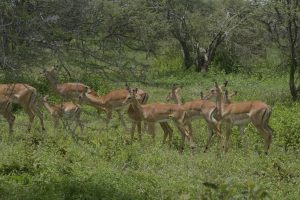
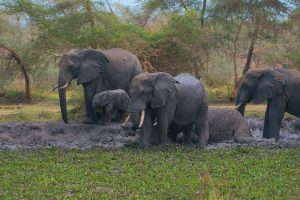
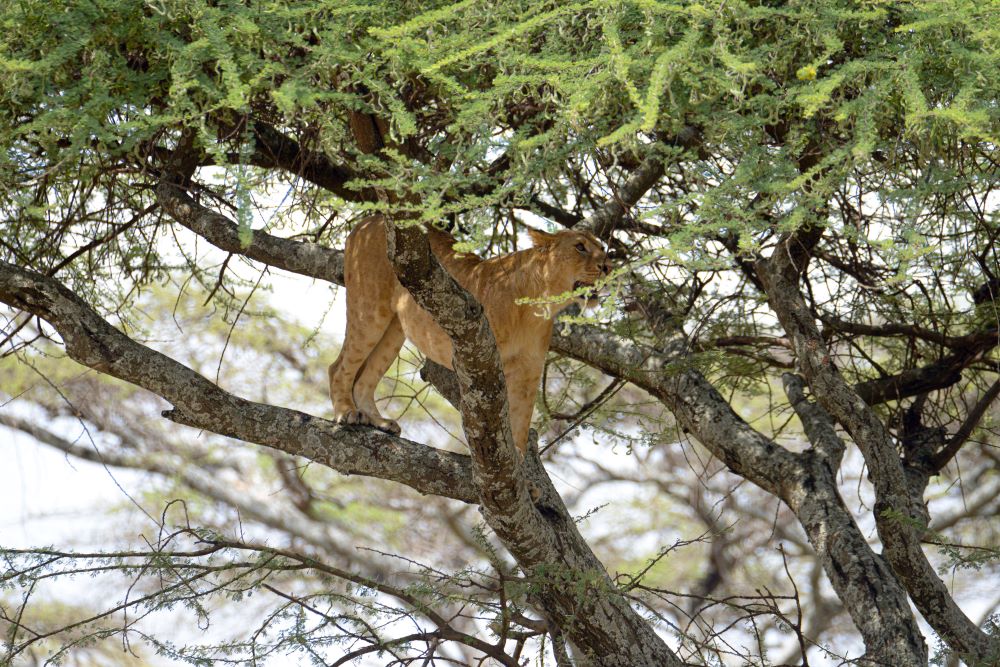
Real wildlife behavior captured without disturbing the natural environment.
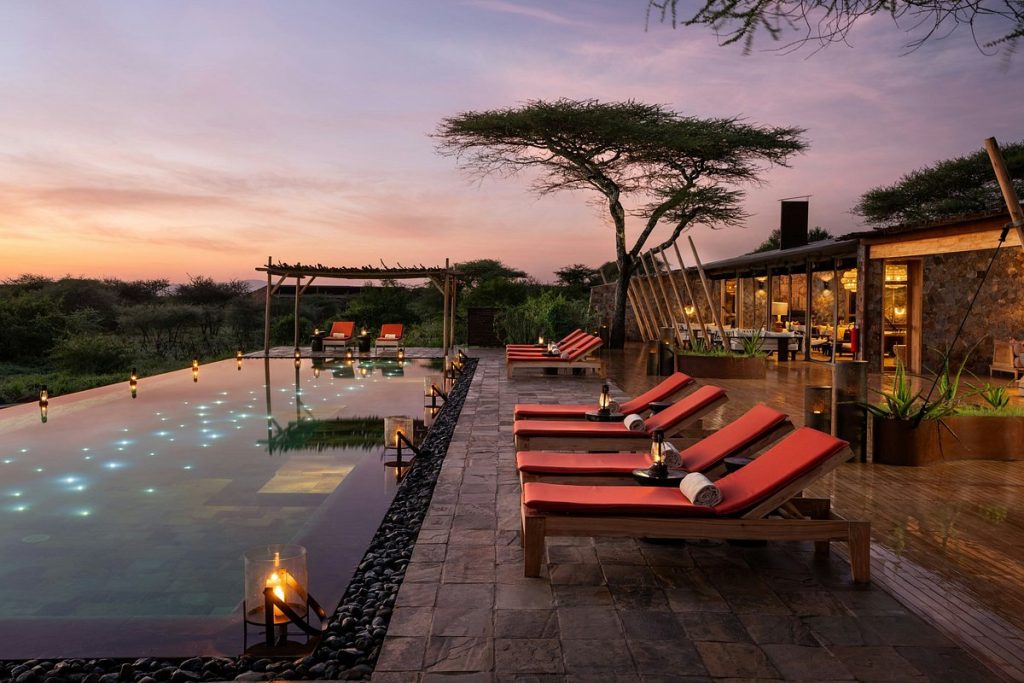
Carefully composed imagery that brings depth, emotion, and atmosphere into every frame.
Visual work created not just to look beautiful, but to create connection and meaning.
Mr Utalii © 2026. All Rights Reserved