Before Sunrise
The day often starts before the sun rises.
In the early hours, everything is quiet. The air is cold, and the landscape feels still. This is one of the most important times to be ready, because wildlife is most active in the soft morning light.
Preparing equipment, checking batteries, and planning routes happens quickly — because once the sun begins to rise, the moment has already started.
Following the Wild
There is no fixed plan.
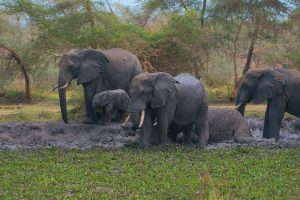
A single sighting can shape the entire day. You might follow a pride of lions, track elephants across open land, or wait near a river for hours, hoping for movement.
Filming wildlife requires patience, but also instinct. You learn to read signs — footprints, sounds, behavior — and make decisions in the moment.
Long Hours of Waiting
Much of the day is spent waiting.
Waiting for the right light.
Waiting for the right movement.
Waiting for a story to unfold.
It is not always action. Sometimes, nothing happens for hours. But that waiting is part of the process — because when something does happen, it happens quickly.
Working with Light
Light is everything.
Midday can be harsh, forcing you to pause or adjust your approach. Early mornings and late evenings offer the most cinematic conditions, shaping the mood and emotion of each shot.
Understanding light is just as important as understanding the subject.
The Unexpected Moments
The wild always surprises you.
An animal appears where you did not expect. A sudden interaction changes everything. A quiet scene becomes intense within seconds.
These are the moments you cannot plan — only be ready for.
Ending the Day
As the sun sets, the landscape changes again.
This is often the final opportunity to capture something meaningful before darkness takes over. After that, the focus shifts to reviewing footage, backing up files, and preparing for the next day.
More Than Just Filming
Being a wildlife filmmaker is more than capturing images.
It is about understanding nature, respecting it, and telling stories that connect people to the wild. Every day in the field is a reminder that you are not in control — you are simply observing, learning, and documenting.
And that is what makes it worth it.